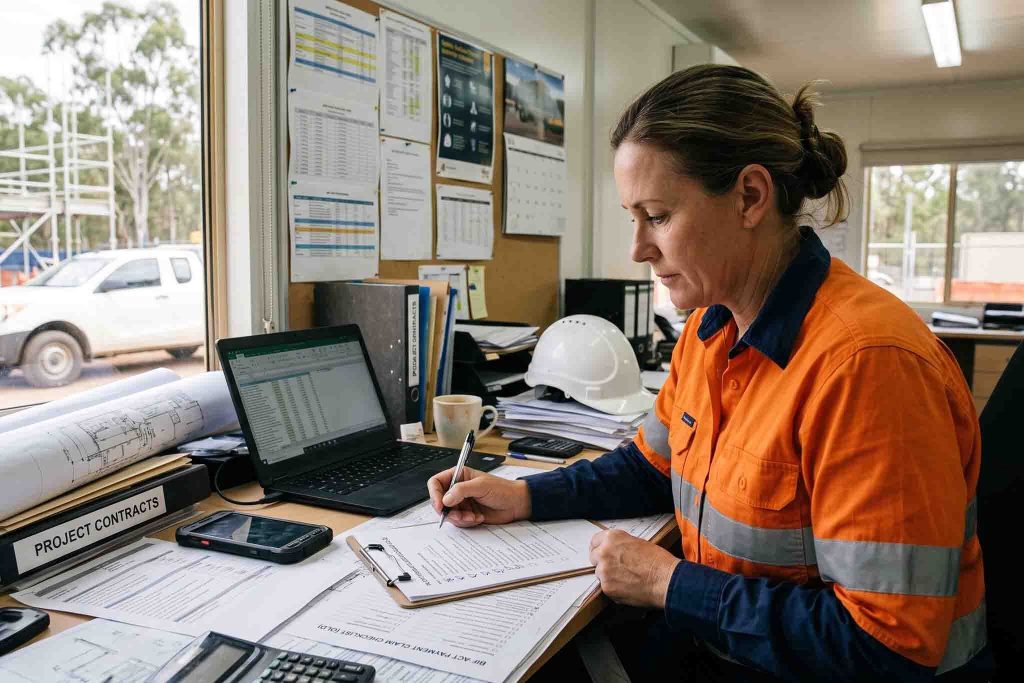
A Tradie’s Guide
For tradies in the construction industry, maintaining financial security during a construction project is critical to ensuring both the completion of the job, and the continued health of their business. Construction projects often come with various risks, including delayed payments, unexpected costs, and unforeseen project scope changes. However, by employing strategic financial management practices, tradies can mitigate these risks and protect their financial interests.
1. Detailed Budgeting and Cost Planning
One of the first steps in ensuring financial security is creating a comprehensive budget that includes all aspects of the project. This budget should account for materials, labor, equipment, subcontractor fees, permits, insurance, and any contingency funds for unexpected expenses. It is vital to be as detailed as possible to avoid underestimating costs. Using project management tools can assist in tracking expenses and flagging potential budget overruns early. In a construction report by Forbes, it was stated that “to mitigate this risk, preplanning and making early payments to lock-in shipping times to get products into the country will help in creating certainty” (Warner, 2023).
2. Clear Contracts and Payment Terms
Establishing clear, enforceable contracts with clients is essential for financial security. Tradies should ensure that contracts specify payment terms, deadlines, and any conditions related to change orders or scope adjustments. Setting milestones for payments based on the completion of certain stages of the project is a good practice to ensure cash flow remains consistent throughout the duration of the work. A well-drafted contract can protect tradies from late payments and scope creep, both of which can lead to financial strain. A payment schedule within the contract should also include provisions for handling late payments, such as interest charges or penalties.
3. Risk Mitigation and Contingency Funds
Construction projects are often unpredictable, with issues such as weather delays, design changes, or unforeseen site conditions. To safeguard against these uncertainties, tradies should allocate a portion of the project budget as a contingency fund. This reserve fund should cover potential risks that were not anticipated in the original plan. Many experts recommend setting aside about 10-20% of the total project cost for contingencies, especially for larger and more complex projects. Additionally, ensuring that insurance coverage for workers, equipment, and the project site is up-to-date can prevent financial damage due to accidents or damages. Cost management group Bauwise states that “this is extra money planned into the project’s cost from the start or set aside by the project owner to deal with unexpected issues” (Kaiv, 2024).
4. Cash Flow Management
Cash flow is the lifeblood of any construction business. Tradies should monitor their cash flow regularly, keeping track of payments due from clients and payments required for suppliers and subcontractors. Delays in payments can cause a ripple effect on cash flow, so implementing strategies like requesting deposits or progress payments can help manage cash flow more effectively. Additionally, separating personal and business finances ensures that business expenses are clearly tracked, and the finances remain transparent.
5. Communication and Transparency with Clients
Finally, maintaining open lines of communication with clients throughout the project is crucial for financial security. By regularly updating clients on progress, any issues, and costs incurred, tradies can avoid misunderstandings and disputes that might result in delayed payments or project stoppages. Transparency helps build trust, which is essential for a smooth financial relationship and reduces the chances of financial disputes.
In conclusion, tradies can maintain financial security in construction projects by careful planning, clear contracts, managing cash flow, allocating contingency funds, and maintaining transparent communication. These strategies not only safeguard against financial risks but also contribute to the long-term success of the business. In instances where tradies may find themselves in a vulnerable position due to a contractual issue, this is where a construction lawyer can help.
References
Warner, G. (2023). How to mitigate construction risk and insolvencies. [online] Forbes Australia. Available at: https://www.forbes.com.au/news/entrepreneurs/how-to-mitigate-construction-risk-and-insolvencies/.
Kaiv, T. (2024). Construction Contingency: All You Need to Know: Bauwise Construction Management Software. [online] Bauwise. Available at: https://www.bauwise.com/construction-contingency/.
This article is general information, not legal advice for your situation. For advice on your matter, call 07 3269 4888 or send us a message.